Know your numbers
How to take your own blood pressure at home (and why you should)
5 min read
High blood pressure (hypertension) affects around one in four adults in the UK, and the NHS estimates that about half of those people do not know they have it. It rarely causes symptoms, but over time it raises the risk of heart attack, stroke, kidney disease and vascular dementia. A home monitor is one of the simplest ways to find a problem early.
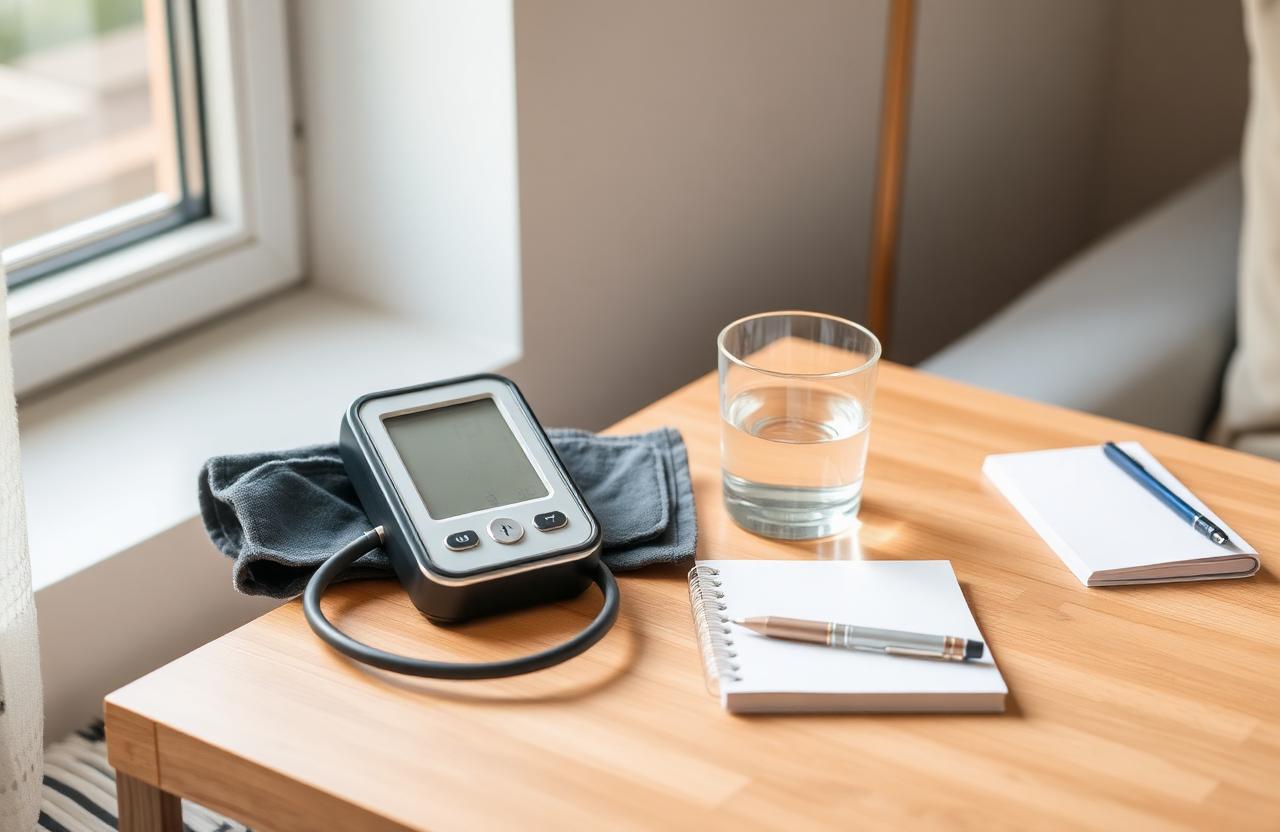
Choose an upper-arm monitor, not a wrist or finger device. The British and Irish Hypertension Society publishes a list of clinically validated monitors at bihsoc.org. Picking one from that list means it has been tested for accuracy. Make sure the cuff size fits your arm; using a cuff that is too small will give falsely high readings.
Before you measure, sit quietly for at least five minutes. Avoid caffeine, smoking and vigorous exercise for 30 minutes beforehand, and empty your bladder. Sit with your back supported, both feet flat on the floor, legs uncrossed, and rest your arm on a table so the cuff is at roughly the same level as your heart. Put the cuff on bare skin, not over a sleeve.
Take two readings, one minute apart. If they are very different, take a third. The NHS recommends recording readings twice a day (morning and evening) for at least four days, ideally seven, then averaging them. Ignore the first day's readings because they are often slightly higher.
What the numbers mean. The top number (systolic) is the pressure when your heart beats; the bottom number (diastolic) is the pressure between beats. NICE and the NHS define high blood pressure at home as an average of 135/85 mmHg or above. Between 120/75 and 134/84 is sometimes called 'high-normal' and is worth keeping an eye on.
When to seek help. Book a routine GP appointment if your home average is consistently 135/85 or above. Get same-day medical advice (call 111 or your GP) if you ever get a reading of 180/120 or higher, or if you have a high reading along with chest pain, shortness of breath, a severe headache, vision changes, or weakness or numbness on one side of the body. Call 999 if those symptoms come on suddenly, as they can be signs of a stroke or heart attack.
Knowing your numbers takes about five minutes a day. For something so easy, it is one of the highest-value things you can do for your long-term heart health.
Keep reading
Press release
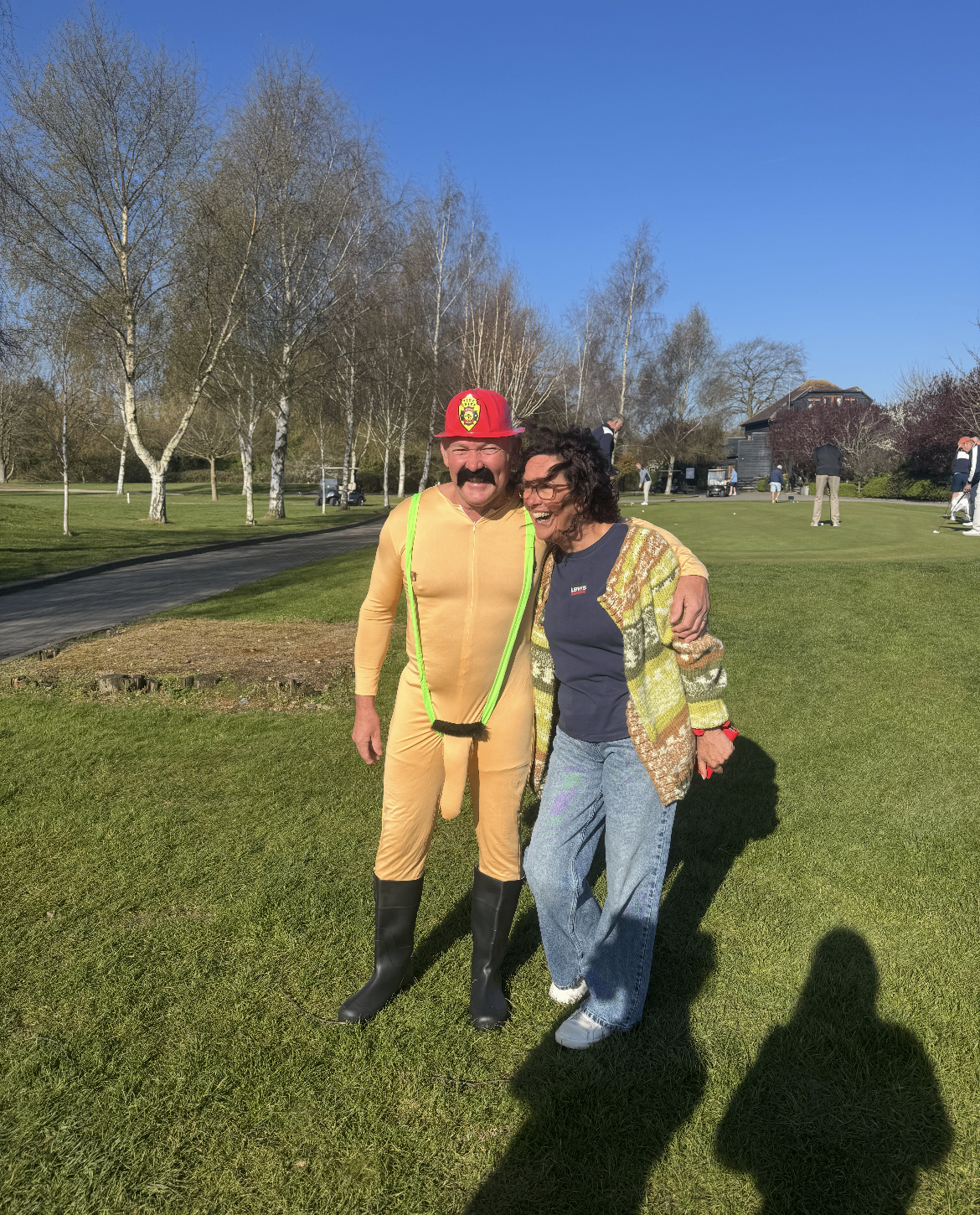
Gary Marshall, The Rayleigh Club Captain, selects The Mitchy Foundation as his chosen charity
Gary Marshall chose The Mitchy Foundation as the official charity of his year as Club Captain at The Rayleigh Club, raising £3,009.20 across a packed calendar of fundraising on and off the course.
Fundraising
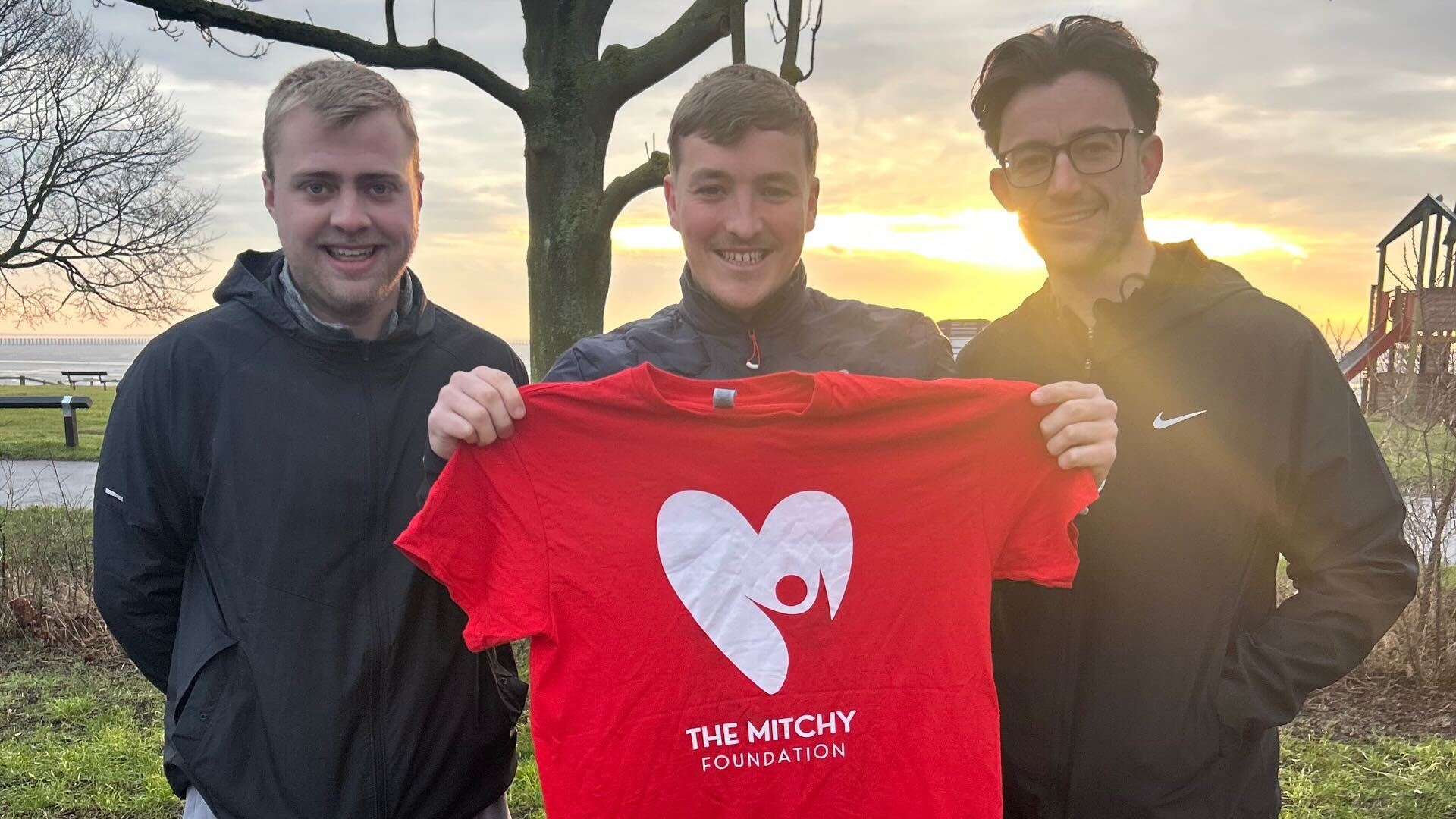
The boys complete the Barcelona Marathon, raising £4,000 in the process
Alfie Fuller, Adam McDonnell and Harry Mole, longtime fundraisers for the charity, set out once again on a new endeavour to support the foundation by running the 2026 Barcelona Marathon in memory of Mitchy, raising £4,000 across the 26.2 mile course.